News
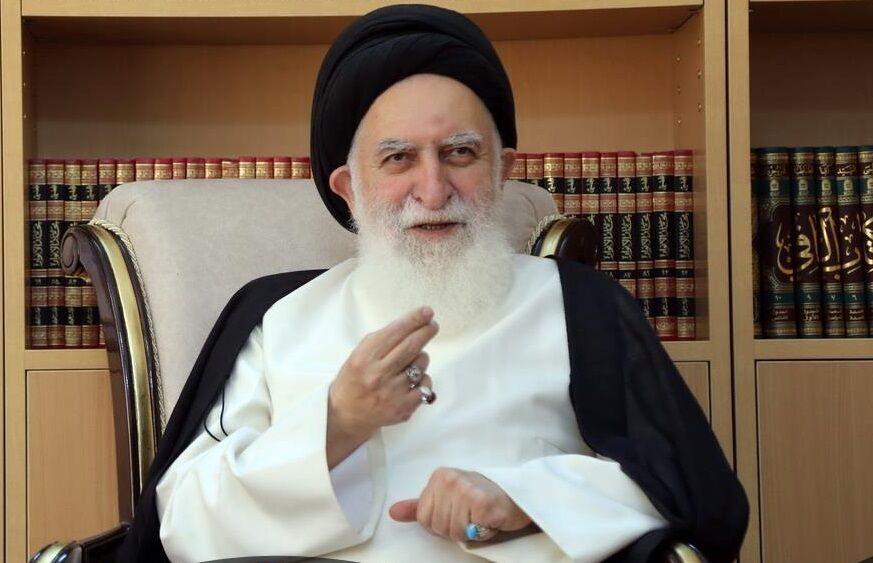
Continuing his remarks, Ayatollah Alavi Boroujerdi discussed the concentration of religious authorities’ offices in major cities and criticized the current method of managing religious funds.
He stated: “I oppose the idea that religious authorities should have offices in every city.” He explained that the existence of such offices effectively encourages people to deliver their religious dues exclusively to those offices rather than to local scholars. In his opinion, this approach is incorrect.
He then recalled the practice of Grand Ayatollah Boroujerdi, saying that the late marja would often declare: “The home of every scholar is my office, and the mosque of every scholar is my office.” According to him, people were encouraged to give their religious dues to their local cleric, who would then forward the surplus funds onward if necessary.
He added that even when individuals brought religious dues directly to qom, Grand Ayatollah Boroujerdi would ask why they had not first given those funds to the scholar in their own neighborhood. This method ensured that local expenses and regional religious institutions were supported first, with only the remaining surplus being sent to qom. Such a system, he said, helped sustain mosques and strengthen local seminaries.
Ayatollah Alavi Boroujerdi stated that today this structure has changed significantly, resulting in many regions becoming deprived of religious scholars. He noted that many mosques in cities such as tehran have become empty because clerics no longer show interest in serving as prayer leaders.
He also recounted a story narrated by his father about Grand Ayatollah Boroujerdi. According to the story, villagers once presented their religious dues directly to the Grand Ayatollah. After meeting them, he instructed them to instead support their local cleric and even personally added extra money for that scholar. When asked whether he personally knew the cleric, he replied that he did not, but that the cleric — regardless of his level of scholarship — was preserving the foundation of Shiism in the hearts of the local people. Through this gesture, the status and dignity of that local cleric greatly increased in the eyes of the community.
Ayatollah Alavi Boroujerdi emphasized that the financial and administrative structure of religious institutions should prioritize supporting local scholars first. Concentrating all religious funds in قم and limiting marja offices to a centralized system, he argued, not only fails to strengthen seminaries but also weakens Shiite institutions throughout various regions.
He further noted that when Grand Ayatollah Boroujerdi passed away, despite his immense status and fame, none of his children owned personal homes, and he himself died while carrying significant debt. Ayatollah Alavi Boroujerdi presented this as an example of a correct approach — one that prioritized local communities while limiting the personal lifestyle of religious authorities to basic necessities.
In conclusion, he stressed that the survival of Shiism depends upon both the institution of religious authority and the strength of local religious foundations. He warned that if this decentralized method disappears and everything becomes concentrated in one place, little will remain for the future.
Content Categories
Latest Posts
Latest news
New
New
New
New
New