News
In the name of God, the Most Compassionate, the Most Merciful.
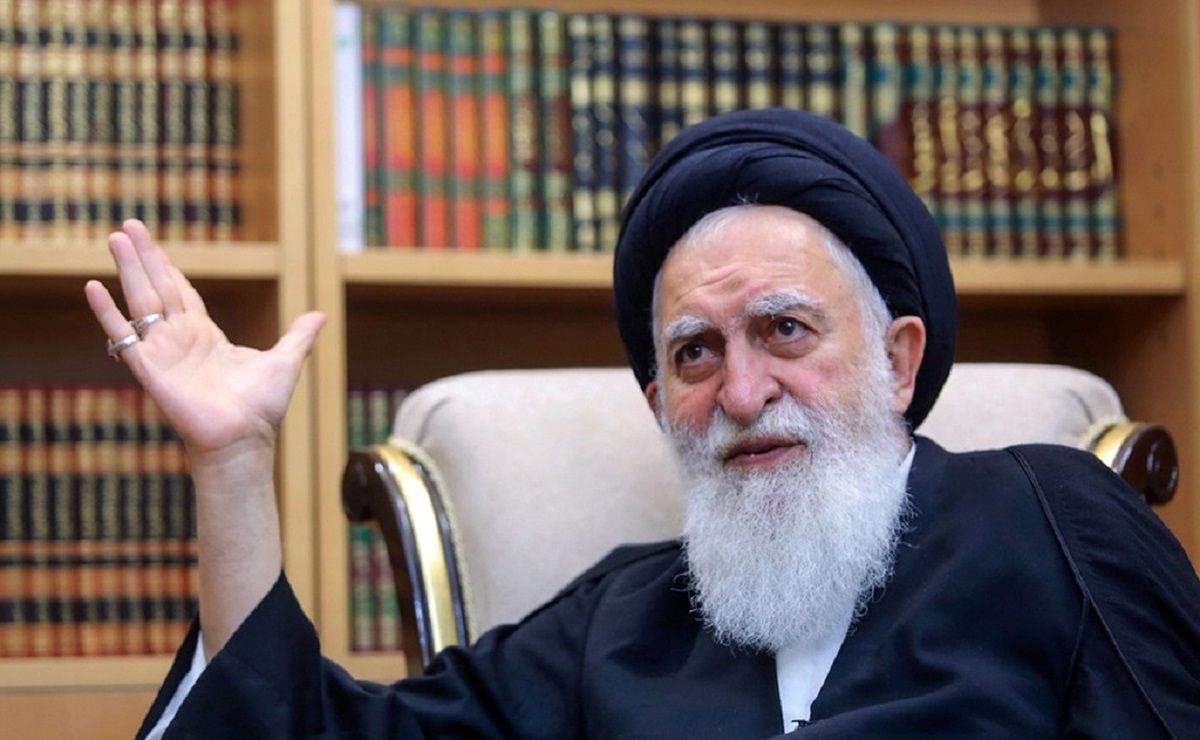
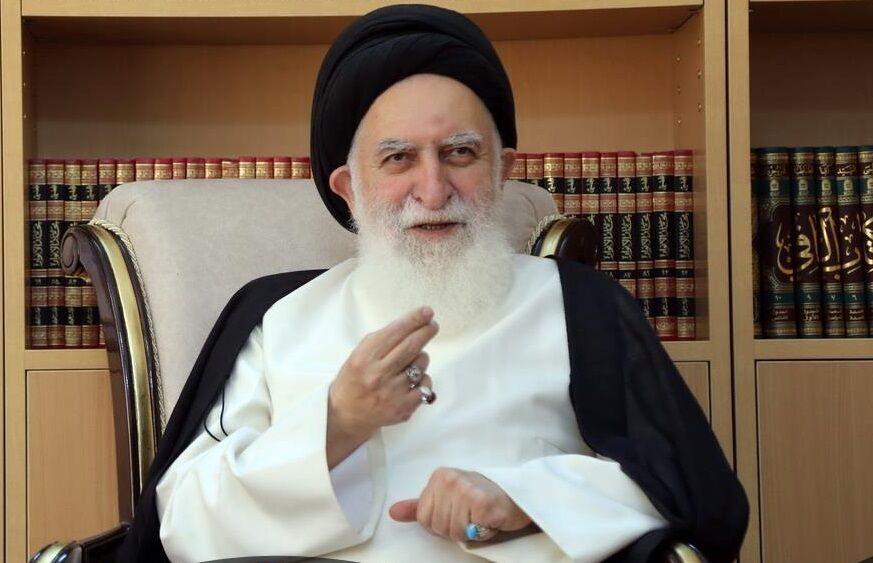
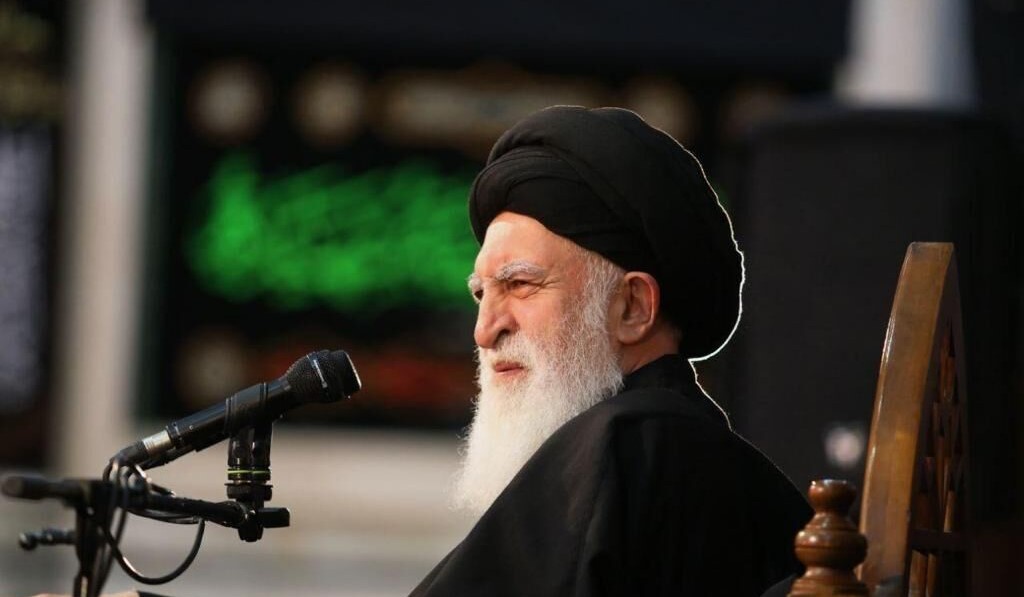
Ayatollah Alavi Borujerdi, in the first session of his lectures in the new academic year (25/06/1403), referring to the presidential election and the election of the president by the people, presented important points addressed to officials and the government.
He stated: “One of the important events of recent months was the presidential election and the beginning of the elected president’s work. Based on our understanding of the elected president, he is an honest and thoughtful individual, and as he has repeatedly stated, he believes in delegating tasks to specialists. This can be one of his greatest advantages. We hope that in practice he will also entrust affairs to competent, capable, and qualified experts, and act accordingly, and that he will value the opportunity given to him by the people and supported by the Supreme Leader, and focus during these four years on fundamental and infrastructural reforms.”
He described the country’s most fundamental problem as the economic crisis, stating: “We currently have a serious economic problem. Our structural issues cannot be solved by increasing the price of gasoline or bread and similar measures. Increasing gasoline prices leads to higher prices for goods and services, and given 40% inflation, it will not solve any problem in the future. The same issues will reappear next year, leading again to fuel price increases, continuing in a cycle. Saying that fuel prices should be brought closer to international levels without considering domestic income levels—which have no compatibility with global income standards—will not solve the problem.”
He identified banking reform as one of the key solutions, stating: “To resolve these problems, the banking system must be reformed. Banks currently have not only structural problems but fundamental ones. Taking deposits from people and paying 24–25% interest while inflation is 40% means people are actually losing value. On the other hand, lending at 25% interest also results in losses for banks, which leads them to resort to penalties, compound interest, and real estate and land trading. These activities are not the job of banks; they deviate banks from their core function and must be corrected.”
He emphasized: “Banks must support the people, not just the government. They should help citizens invest and establish workshops, factories, and major institutions. Such people-driven investment leads to production and economic growth. Unfortunately, most loans currently go to state-owned companies, often with weak guarantees, making repayment difficult.”
He also identified privatization as another solution, stating: “One of the major economic problems is state ownership of factories and institutions. Many of these have not been transferred based on merit, and therefore their managers often think not about production and growth but about selling assets once land prices increase. This has led to the shutdown of many factories.”
He added: “The problem with some state companies is that their managers are inefficient and, since they receive their salaries regardless, they lack motivation for productivity. In contrast, if companies are transferred to the people, owners will strive to maintain and improve productivity to protect their investment.”
He continued: “Even communist China realized that for managing a population of over a billion, it had to reduce state ownership and prioritize private ownership. We must also seriously pursue privatization before it is too late.”
He stated that many major company managers and investors abroad are Iranian, and their capacities should be utilized domestically. He emphasized merit-based management, saying that work should be entrusted to experts, just as one would go to a skilled professional to repair a car, not merely a pious or ideological person.
He further emphasized creating conditions for public investment, stating that economic growth depends on investment, which can come from the government, foreign investors, or the people. Since the government lacks funds and foreign investment is limited due to sanctions, domestic private capital must be utilized. He stressed the need for legal and administrative security for investors, simplifying business registration, and preventing unjust prosecution of entrepreneurs that leads to factory closures.
He also called for facilitating the return of Iranian expatriates, stating that they are valuable national assets with significant investment potential and should be encouraged to return under secure conditions.
In conclusion, he urged the government and the president to use competent specialists regardless of political or ideological classifications, stating that solutions require expertise, not slogans or false statistics. He expressed optimism about the future, stating that Iran can achieve a strong and dynamic economy under the current system.
Finally, he emphasized that criticism should be expressed out of concern and is not meant to destroy or undermine, but to address deficiencies and improve conditions.
Content Categories
Latest Posts
Latest news
New
New
New
New
New